Bad-Tasting Tap Water
RO may help improve drinking-water taste when the issue is tied to dissolved solids, chlorine taste, or other treatable concerns.

Earl's Plumbing installs under-sink reverse osmosis systems for cleaner drinking and cooking water in Chico, Redding, Yuba City, and surrounding Northern California communities.
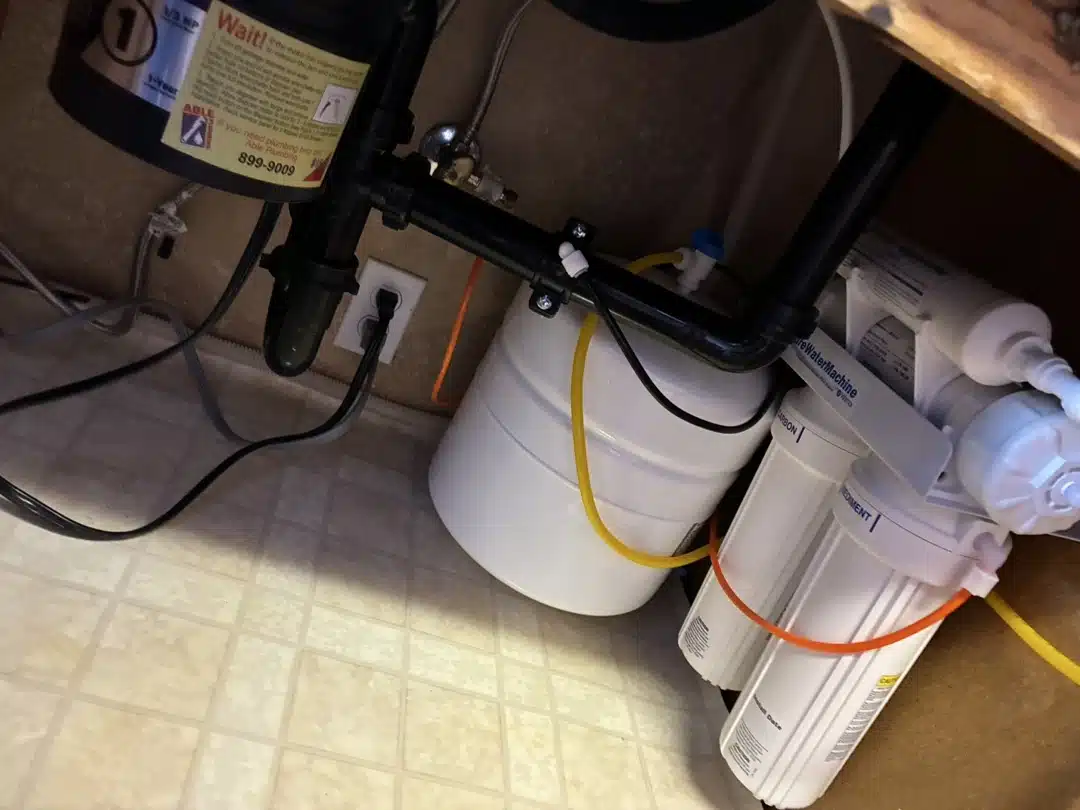
A reverse osmosis system is a drinking-water filter system that uses household water pressure, prefilters, a membrane, a storage tank, and a dedicated faucet to provide filtered water at one location, usually the kitchen sink. It is best for drinking and cooking water, not for treating every shower, toilet, laundry line, or hose bib in the home.
RO sounds like a science-lab gadget, but the homeowner version is pretty simple: it is a drinking-water system tucked under the sink that gives you a dedicated filtered-water faucet.
Most RO systems treat water at one point of use, often the kitchen sink. The system may also be routed to a refrigerator or ice maker when the layout and appliance requirements make sense.
Most under-sink reverse osmosis systems include several stages that work together. The exact setup depends on the system and the water problem you are trying to solve.
Here is the important part: certification matters. A reverse osmosis water filter should be matched to the specific concern, not sold as a magic box that fixes every drop of water everywhere.
When the concern is PFAS, lead, nitrates, arsenic, fluoride, or another specific contaminant, the system should be selected based on testing and certified reduction claims. We do not recommend guessing with drinking water.
These systems are not interchangeable. That is where homeowners get sold the wrong thing and end up with a shiny disappointment machine under the sink.
Usually installed under a kitchen sink for drinking, cooking, coffee, tea, and sometimes refrigerator or ice maker water.
Reduces calcium and magnesium hardness minerals that cause scale, white spots, and soap issues throughout the home.
Treats water as it enters the home for fixture, appliance, water heater, shower, and laundry concerns.
Does not usually treat: showers, laundry, toilets, outside faucets, or every fixture in the home.
Does not usually address: many drinking-water contaminant concerns unless paired with filtration.
Does not automatically replace: a dedicated RO system for drinking-water contaminant reduction.
RO is not for every water complaint, but when the goal is better drinking and cooking water, it can be the right little engine under the sink.
RO may help improve drinking-water taste when the issue is tied to dissolved solids, chlorine taste, or other treatable concerns.
Many homeowners choose RO to reduce bottled water runs and keep filtered water available at the kitchen sink.
Filtered water can make a noticeable difference in coffee, tea, soups, pasta, baby formula prep, and everyday cooking.
When the layout works, RO can sometimes feed a refrigerator or ice maker. We can also review dedicated ice maker filter options.
If testing points to lead, nitrates, arsenic, PFAS, or other concerns, we look for the correct certified treatment claim.
Private well customers should test first. RO may be one part of the plan, not the whole plan.
Leaking tubing, cluttered cabinets, bad drain connections, and confusing filters can turn RO into a cabinet goblin. We can clean that up.
If you inherited an old RO system and do not know what needs changing, we can identify the setup and explain maintenance options.
The honest version beats the salesy version. RO is excellent for the right job, but it is not a whole-house superhero cape.
Before recommending RO, Earl's looks at your water source, symptoms, fixture goals, under-sink space, pressure, refrigerator or ice maker needs, and whether testing is needed. That prevents the classic “bought a filter, still hate the water” problem.
Start with our Water Filtration hub if you are not sure whether RO, softening, sediment filtration, UV, or whole-home treatment is the right path.
Reverse osmosis can be a great drinking-water solution, but it is not perfect. The best RO install is the one where you understand the tradeoffs before the filter kingdom moves under your sink.
Reverse osmosis reduces total dissolved solids, which can include minerals such as calcium and magnesium. That is one reason RO water can taste “flat” to some people.
Most households get important minerals from food, but if you have specific diet, mineral, or medical concerns, it is worth discussing RO water with your healthcare provider. Some systems can also include a remineralization stage for taste preference.
RO works by separating filtered water from rejected water. That means traditional RO systems send some water to the drain during operation. Efficiency depends on the system design, pressure, membrane condition, and maintenance.
Most under-sink RO systems make filtered water gradually and store it in a small tank. Heavy use can temporarily empty the tank, and low pressure or clogged filters can slow the faucet down.
RO is not a “set it and forget it” system. Sediment filters, carbon filters, membranes, and post-filters need service. Certified contaminant reduction depends on the system being maintained correctly.
An RO system usually needs room for filters, tubing, a storage tank, a dedicated faucet, and a drain connection. A clean install matters because under-sink spaghetti plumbing is where future leaks like to rehearse.
One RO system may be certified for a specific contaminant while another is not. For concerns like PFAS, lead, nitrates, arsenic, or fluoride, the system should be matched to water testing and certified reduction claims.
RO is usually a strong choice when the goal is better drinking, cooking, coffee, tea, or ice water. It is usually not the best stand-alone answer for whole-home hardness, shower water, laundry water, water-heater scale, or every private-well issue. If mineral taste, filter maintenance, water efficiency, or cabinet space matters to you, we will talk through those tradeoffs before recommending a system.
Reverse osmosis can be useful for both city-water and private-well homes, but the decision starts in different places.
Municipal water is regulated and tested, and water providers publish annual Consumer Confidence Reports. Homeowners may still want RO for taste, cooking water, coffee, ice, refrigerator water, or added drinking-water filtration at the kitchen sink.
Private well owners are responsible for testing their own water. A well may need sediment filtration, softening, UV treatment, pH correction, or other pretreatment before RO makes sense.
Clean install, clear explanation, no mystery tubing nest under the sink.
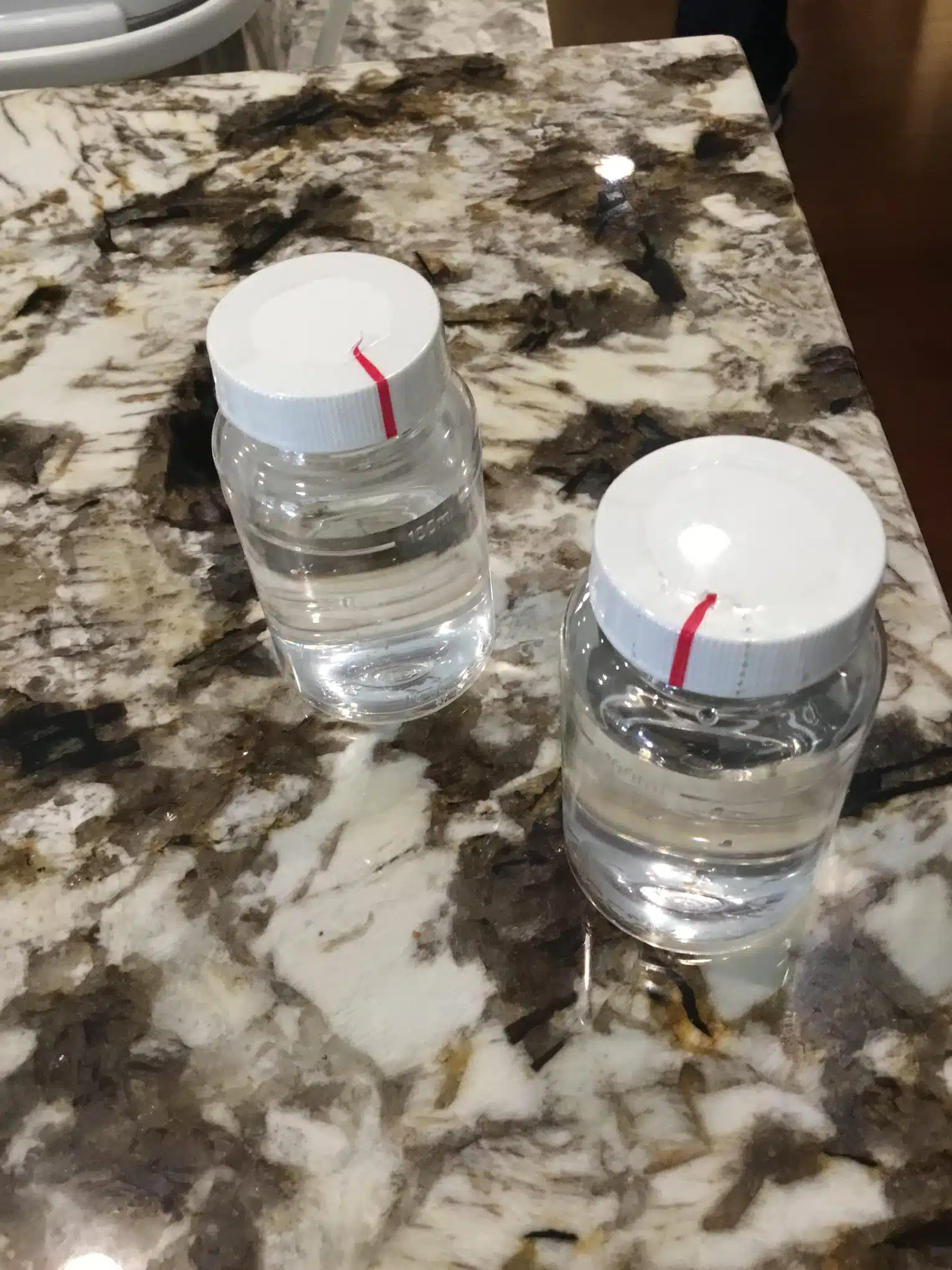
For specific health-related concerns or well water, testing helps determine whether RO is appropriate and what certifications matter.
Drinking, cooking, coffee, tea, ice, refrigerator water, bottled water replacement, or a specific contaminant concern.
We check cabinet space, faucet hole options, drain connection, angle stops, tubing route, pressure, and refrigerator line possibilities.
That may mean RO, a different drinking-water filter, a water softener, whole-home filtration, or testing before equipment is selected.
We mount components cleanly, connect the faucet, check for leaks, flush the system, and verify operation.
You will know what filters need replacement, what signs to watch for, and how to schedule service when the system needs attention.
An RO system is only as good as its maintenance. Filters and membranes do not last forever, no matter how politely we ask them.
Catch grit, sand, rust, and particles. Homes with heavy sediment may clog filters faster.
Help with taste, odor, and membrane protection. Overdue carbon filters can affect performance and taste.
The membrane does the heavy lifting for dissolved solids and certified contaminant reduction claims.
Often, yes, but it depends on the cabinet layout, water pressure, appliance requirements, tubing distance, and whether the system can support the extra demand.
If your refrigerator water or ice tastes bad, an RO connection may be an option. We check whether the system has enough pressure, whether tubing can be routed cleanly, and whether the appliance manufacturer has any requirements.
Learn about ice maker filter service if your main concern is cloudy ice, bad-tasting ice, or appliance filtration.
Some homes are better served by a dedicated refrigerator or ice maker filter instead of routing RO across cabinets, floors, or long tubing runs. Earl's can explain the cleanest option before the cabinet becomes a spaghetti junction.
Reverse osmosis is one piece of the water-quality puzzle. These pages help connect the rest of the system.
Start here if you are not sure whether you need RO, softening, sediment filtration, UV, or whole-home treatment.
Hardness, white spots, scale, soap issues, and appliance protection throughout the home.
Better-tasting ice, clearer ice, and refrigerator water-line filtration options.
Well water may need testing, filtration, UV, softening, pressure equipment, or pump service.
Smart leak detection and automatic water shutoff protection for plumbing systems.
Hardness and sediment can affect water heaters and tankless units. Treatment and maintenance may help.
Find your local Earl's Plumbing service area page for Chico, Redding, Yuba City, and nearby communities.
Book a free quote online with no service call fee and no obligation.
Good water treatment starts with real information, not scare tactics or one-size-fits-all filter theater.
Earl's Plumbing installs and services reverse osmosis drinking-water systems from our Chico, Redding, and Yuba City offices for nearby Northern California communities.
We also help homeowners in nearby Butte, Shasta, Tehama, Glenn, Sutter, Yuba, and Placer County communities with RO drinking water systems, filter replacement, refrigerator water connections, well-water testing direction, and water quality recommendations.
No service call fee. No dispatch fee. No obligation. We look at your water goals, sink layout, plumbing, refrigerator or ice maker needs, and system options before giving you upfront pricing.
Have an existing RO system or a customer-supplied unit? Call (530) 343-0330 and we can help you figure out the next step.
Direct answers for homeowners comparing RO, water softeners, whole-home filtration, bottled water, refrigerator filters, and drinking-water treatment options.
A reverse osmosis system is a drinking-water treatment system that uses pressure to push water through a semipermeable membrane. Most residential RO systems also use sediment and carbon prefilters plus a storage tank and dedicated drinking-water faucet. It is commonly installed under a kitchen sink for drinking and cooking water.
Reverse osmosis may make sense if you want better-tasting drinking water, want to reduce bottled water use, have concerns about specific dissolved contaminants, or want filtered water for cooking, coffee, tea, ice, or a refrigerator line. The best choice depends on your water source, test results, plumbing layout, and the system’s certifications.
A properly selected RO system may reduce total dissolved solids and specific contaminants such as lead, arsenic, nitrates, fluoride, and certain PFAS, depending on the system and certification. Always match the system to the contaminant you are trying to reduce and maintain it according to the manufacturer’s schedule.
Some reverse osmosis systems are certified to reduce certain PFAS chemicals, including PFOA and PFOS. Not every RO system has the same certification or reduction claims, so homeowners should choose a system certified for their specific PFAS concern.
Some RO systems are certified to reduce lead, nitrates, arsenic, and other specific contaminants. The important detail is certification: do not assume every filter removes every contaminant. Use testing and the product’s certified reduction claims to choose the right setup.
Reverse osmosis and water softeners solve different problems. A softener reduces hardness minerals that cause scale, spots, and soap issues throughout the home. RO is usually a point-of-use drinking-water system for a kitchen faucet, cooking water, or ice line.
If your concern is water at showers, fixtures, appliances, and water heaters, whole-home treatment may be the better direction. If your main concern is drinking and cooking water, under-sink reverse osmosis is often the better fit. Some homes use both.
Most residential RO systems do not filter the whole house. They are usually installed under one sink and feed a dedicated faucet. Whole-house RO exists, but it is a different design with more space, storage, pretreatment, and maintenance considerations.
Many homeowners install RO because they want better-tasting drinking water without buying cases of bottled water. It is not a guarantee that you will love the taste or that every contaminant is addressed, but it can be a strong option when the system is matched to the water and maintained properly.
RO water is commonly used for cooking, coffee, tea, soups, baby formula preparation, and drinking water because it can reduce taste and odor issues and many dissolved solids. Taste preferences vary, especially for coffee, so some systems include a final polishing or remineralization stage.
Filter timing depends on the system, water quality, water use, and manufacturer instructions. Sediment and carbon filters are usually replaced more often than the RO membrane. A slow faucet, bad taste, cloudy ice, or a system that will not refill correctly can be signs the system needs service.
Often, yes. An RO system can sometimes feed a refrigerator or ice maker when the layout, pressure, tubing route, and appliance requirements make sense. Earl’s Plumbing can check the setup and explain whether a direct RO connection or dedicated ice maker filter is the cleaner option.
Yes. Reverse osmosis reduces total dissolved solids, and that can include minerals such as calcium and magnesium. That is part of why RO water can taste flatter than tap water or mineral water. Most people get calcium and magnesium primarily through food, but homeowners with specific dietary or medical concerns should ask their healthcare provider. Some RO systems also offer remineralization stages for taste preference.
The main downsides are mineral reduction, some water sent to drain, slower production through a storage tank, filter and membrane maintenance, under-sink space needs, and the fact that not every RO system is certified for the same contaminant reduction claims. RO can be excellent for drinking water, but it is not a whole-home treatment system by default.
Traditional RO systems send some water to drain as part of the filtration process. The amount depends on the system design, water pressure, membrane condition, and efficiency rating. Newer systems can be more efficient than older setups, but RO is still not a zero-waste process.
Cost depends on the system selected, whether the home already has a dedicated faucet hole, drain access, under-sink space, refrigerator connection needs, water pressure, and any old equipment that needs to be removed. Earl’s Plumbing provides a free quote before approved work begins.
In many cases, Earl’s can review and install a customer-supplied RO system if it is complete, compatible with the home, and appropriate for the water concern. Warranty coverage may differ from systems supplied and installed by Earl’s, so we will explain options before work starts.
Earl’s Plumbing installs and services reverse osmosis drinking-water systems in Chico, Redding, Yuba City, Paradise, Oroville, Anderson, Red Bluff, Marysville, and surrounding Northern California communities.