It targets hardness minerals
Hardness is mainly caused by calcium and magnesium. Traditional softeners use ion exchange to reduce those minerals before they move through the home.

White spots on dishes? Scale on fixtures? Soap that never seems to rinse clean? Earl's Plumbing installs and services water softeners for homes in Chico, Redding, Yuba City, and surrounding Northern California communities.
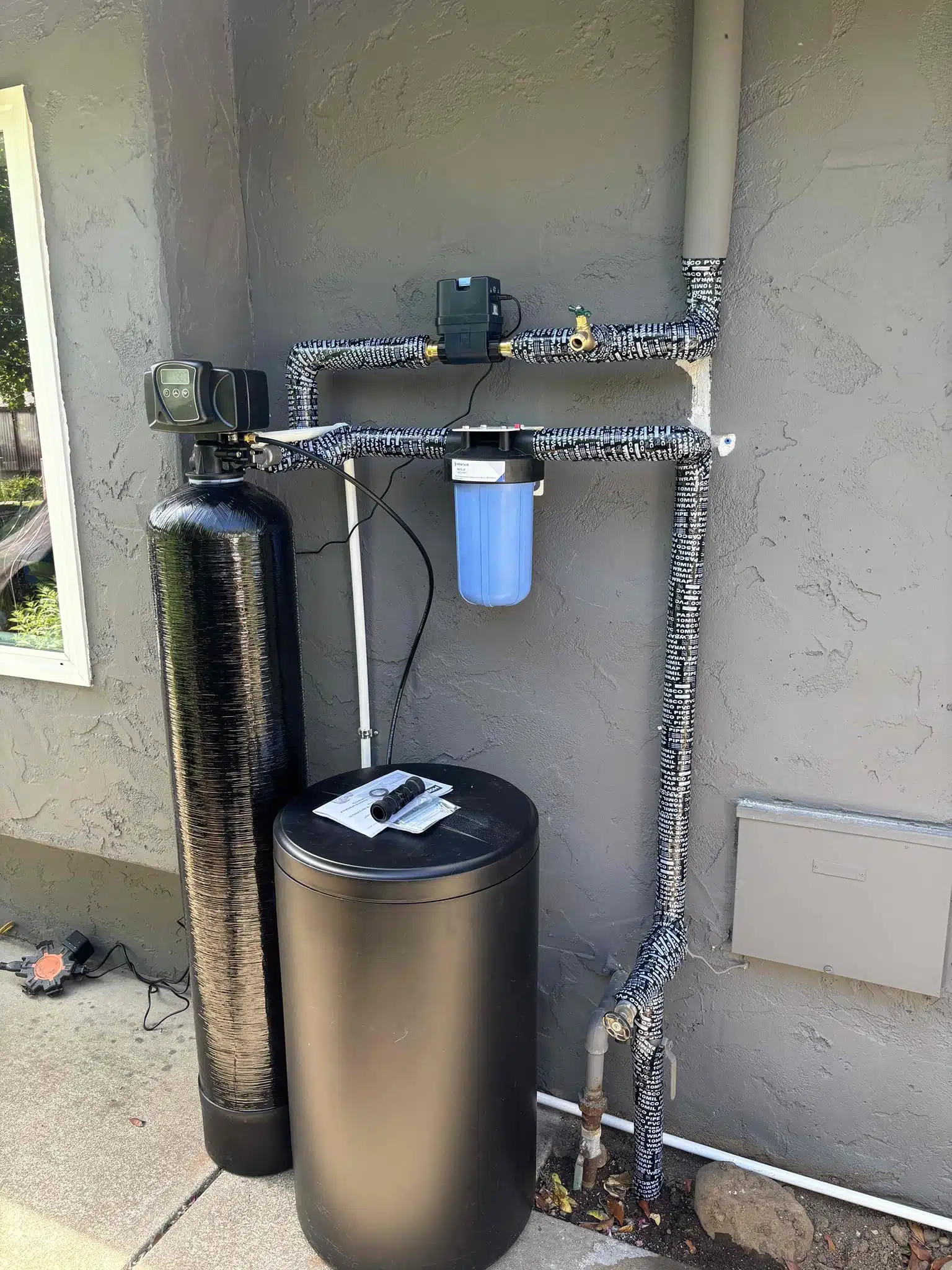
Most homeowners do not ask for ion exchange chemistry. They notice dishes that look cloudy, faucets crusting over, shower glass that never looks clean, soap that feels weird, or a water heater that seems to collect mineral sludge for sport.
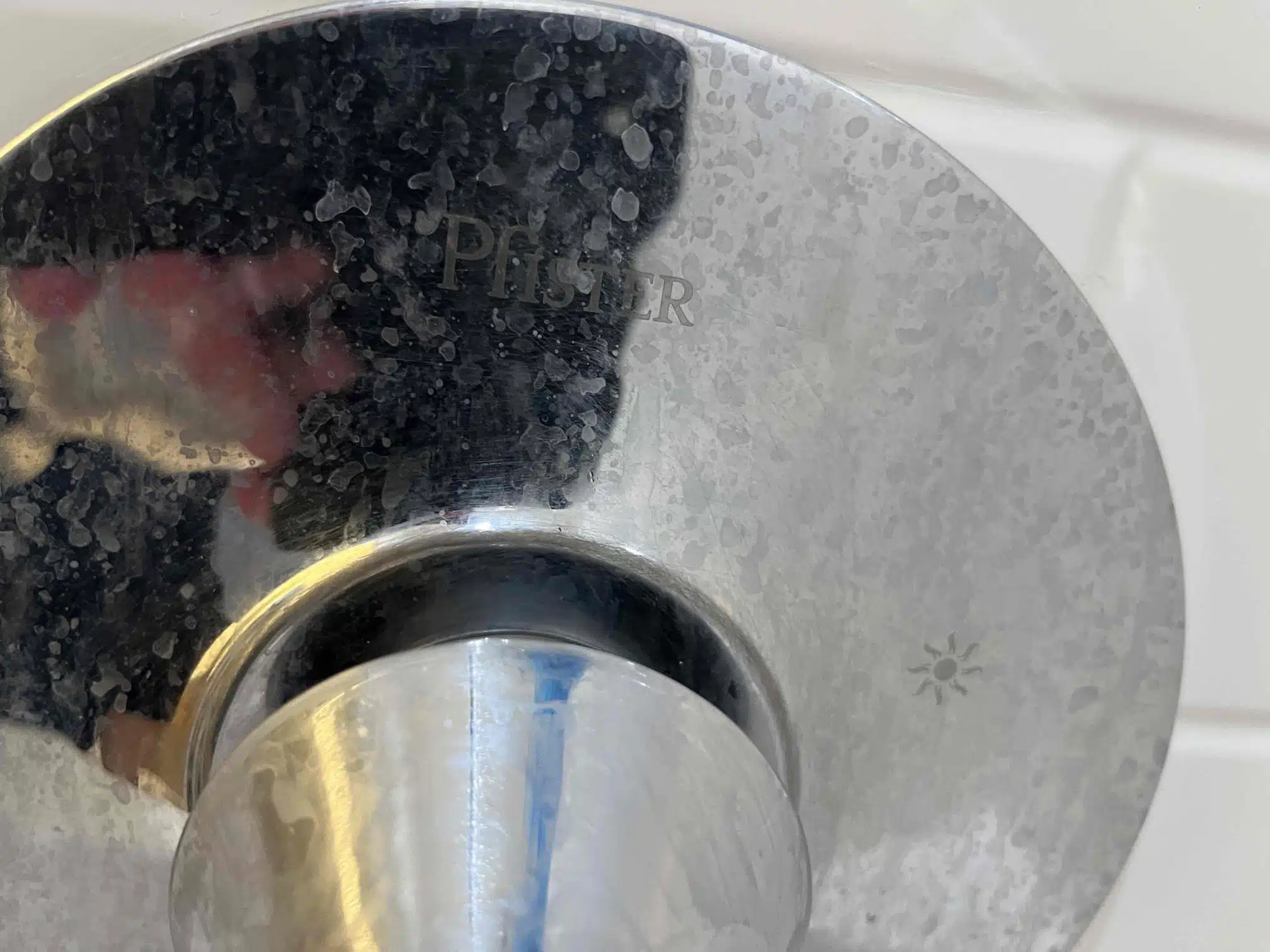
Hardness minerals can show up as cloudy spots, scale, crusty buildup, and appliance problems. A softener helps when hardness is the issue, but testing helps confirm the right path.
A water softener is a whole-home hard-water treatment system. It is usually installed where water enters the home so softened water can feed showers, fixtures, laundry, dishwashing, water heaters, and appliances.
Hardness is mainly caused by calcium and magnesium. Traditional softeners use ion exchange to reduce those minerals before they move through the home.
Unlike an under-sink drinking-water filter, a softener is generally designed to protect fixtures, showers, water heaters, and appliances throughout the home.
Most systems regenerate with sodium chloride or potassium chloride. Settings, salt level, hardness, and water use all affect performance.
The right softener can make hard water easier on the home. It is not a magic pipe potion, but when hardness is the problem, it can make a very noticeable difference.
Softening helps reduce the mineral residue that leaves white spots on glassware, dishes, fixtures, and shower doors.
Less hardness means less mineral buildup on faucets, showerheads, valves, toilets, and appliance connections.
Soft water helps soap lather and rinse more normally, which can improve showers, laundry, dishwashing, and cleaning.
Scale forms faster when hard water is heated. A softener may help reduce mineral buildup in tank and tankless systems.
Softened water can help detergent work better and reduce the mineral residue that leaves fabrics feeling stiff or dingy.
Dishwashers, coffee makers, ice makers, washing machines, and humidifiers may all benefit when hard-water scale is reduced.
Many homeowners prefer how softened water rinses in the shower, especially when hard water leaves soap residue behind.
Reducing scale can help lower the constant cycle of scraping, soaking, wiping, and muttering at cloudy shower glass.
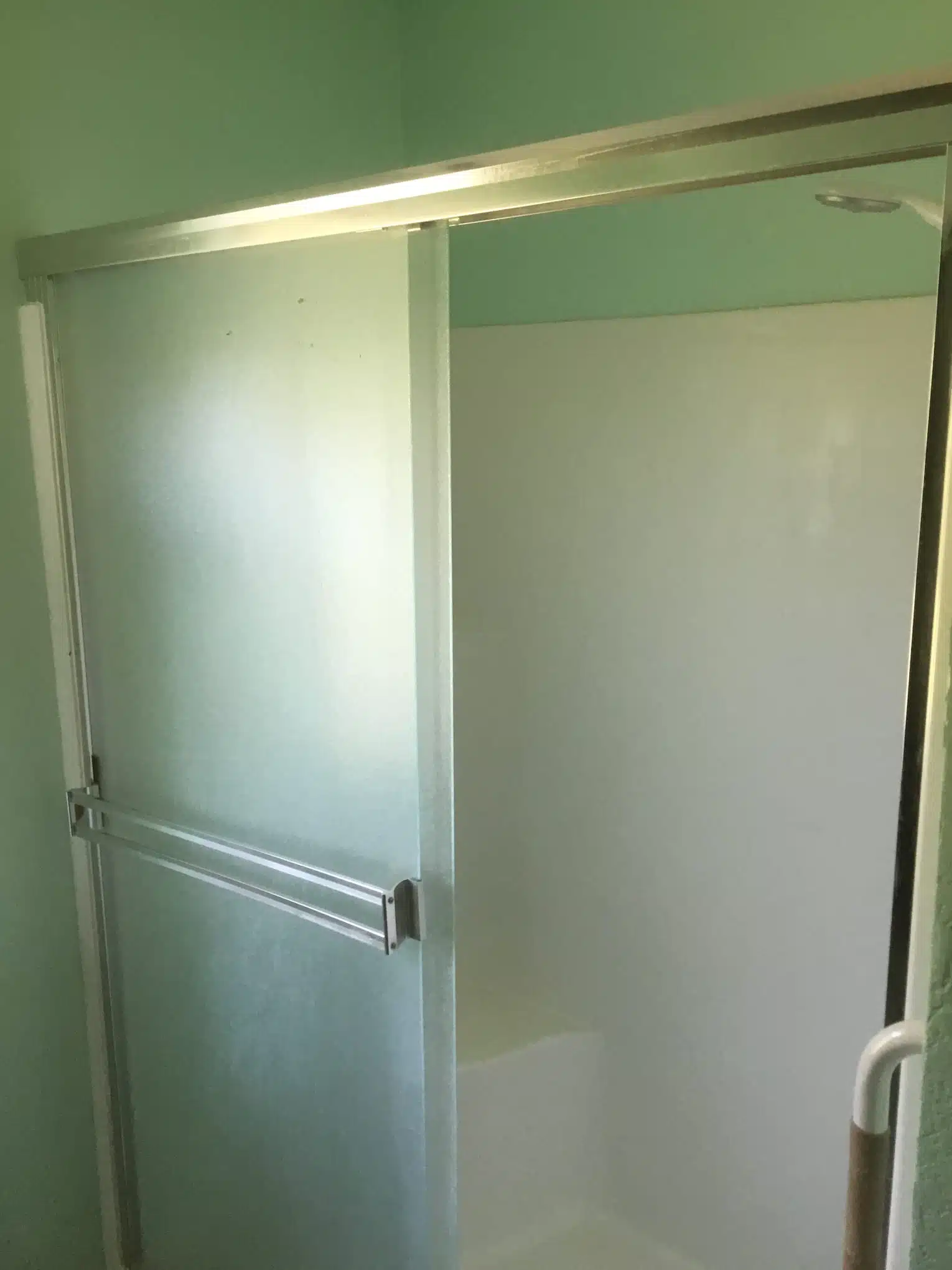
White film and cloudy buildup on shower doors are common hard-water complaints. A softener can help reduce the mineral residue that keeps coming back after cleaning.
Hard water usually starts as a cleaning annoyance, then turns into a plumbing and appliance issue. The same minerals that leave spots on shower glass can also collect in fixtures, valves, water heaters, tankless units, dishwashers, coffee makers, and laundry equipment.
A water softener does not solve every water-quality concern, but when hardness is the problem, it can make the entire home easier to live with.
These systems are often lumped together, but they do different jobs. The best setup depends on whether you are trying to solve hardness, drinking-water quality, sediment, chlorine taste, well-water issues, or a combination.
Best for hardness, scale, and soap issues.
Best for drinking and cooking water at one tap.
Best for sediment, taste, odor, or targeted water issues.
A good page should answer the uncomfortable stuff too. Water softeners can be extremely useful, but they are not perfect for every home, every water source, or every person.
Hardness can show up on both city water and private wells, but the testing and treatment path can be very different.
City-water customers can review their annual Consumer Confidence Report for local water quality information. For softening, the big question is usually hardness: spots, scale, soap performance, water heater buildup, and homeowner comfort.
Well water should be tested before treatment decisions are made. Hardness may be only one piece of the puzzle. Sediment, iron, sulfur odor, bacteria, nitrates, pH, and dissolved solids can all affect the right system design.
Water hardness is local. It can change between city water, private wells, foothill homes, agricultural areas, older neighborhoods, and rural properties. That is why we start with the home, not a one-size-fits-all box.
Cal Water's 2024 Chico report lists average hardness at 122 ppm. Classification systems vary, but that level is high enough for many homeowners to notice spots, scale, and water-heater buildup.
Private wells around Butte, Shasta, Tehama, Glenn, Sutter, Yuba, and nearby counties may need sediment filtration, iron treatment, pH correction, UV, RO, or softening depending on test results.
Scale tends to show up faster when hard water is heated. If your water heater or tankless unit keeps collecting mineral buildup, hardness may be part of the story.
We do not want to install a salt-hungry basement goblin that nobody understands. The right system should fit the water, home, space, drain, maintenance plan, and homeowner goals.
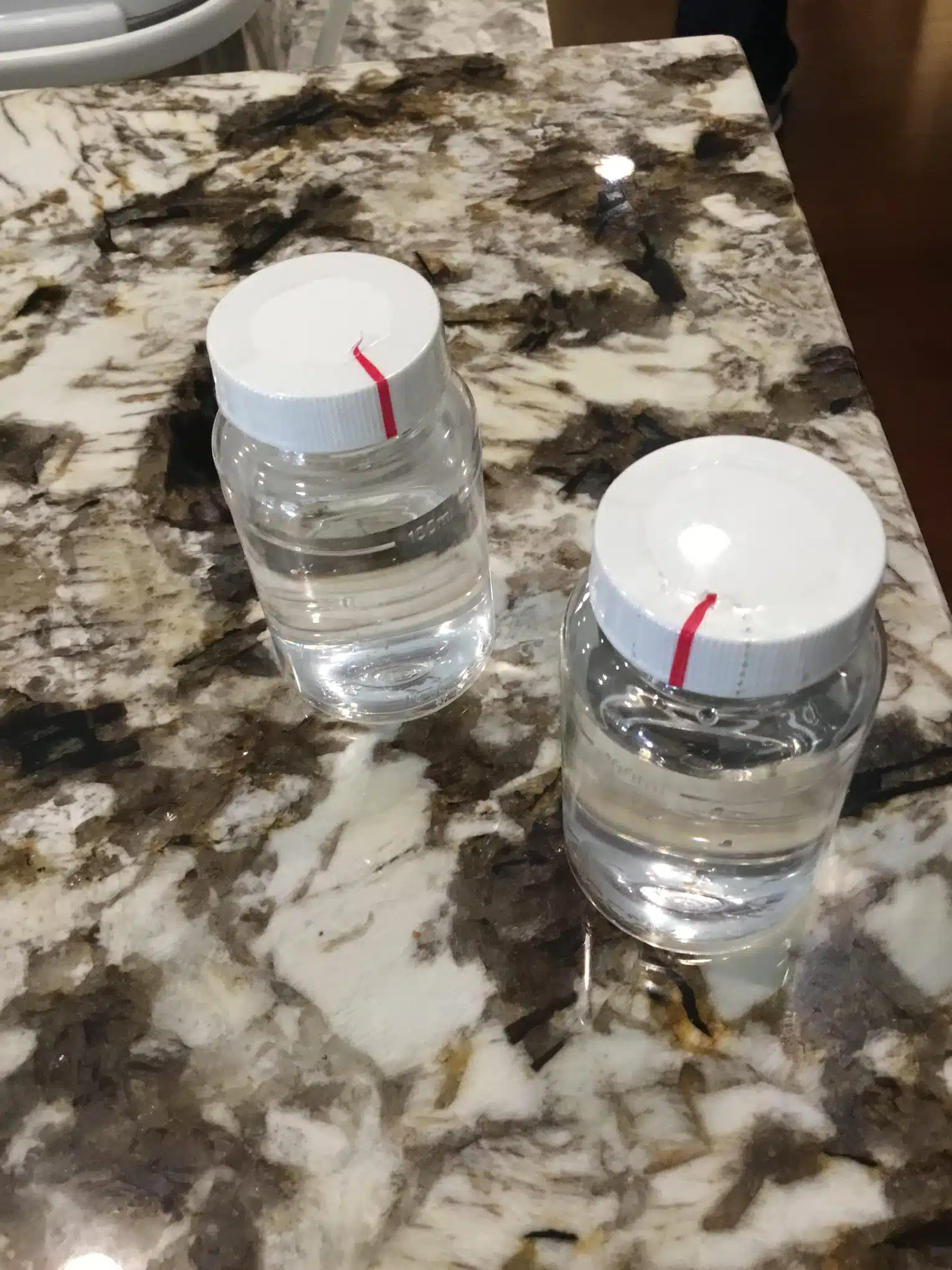
Testing helps separate a true hardness issue from sediment, iron, chlorine taste, sulfur odor, pressure problems, or drinking-water concerns.
Spots, scale, soap scum, water heater buildup, dry-feeling skin, dull hair, appliance issues, or cloudy glassware help point us in the right direction.
City water and private well water have different testing needs, treatment priorities, and maintenance concerns.
We look at water conditions, pipe layout, installation space, drain options, power, bypass needs, and future service access.
The system should match household use and hardness level so it regenerates properly without being undersized, oversized, or wasteful.
We explain salt level, bypass valves, maintenance basics, and what to watch for after installation.
A water softener is not a set-it-and-forget-it appliance forever. It needs salt or potassium, the right settings, and occasional attention to keep doing its job.
Do not let the brine tank run empty. Low salt can let hard water return through the home.
Salt can form a crust that looks full on top but leaves a hollow space below where brine cannot form correctly.
Hardness level, regeneration timing, household size, and water use affect how the system should be programmed.
If spots, scale, or poor soap performance return, the system may need salt, service, cleaning, repair, or reset.
Some homes need only a softener. Others need a combination of softening, filtration, reverse osmosis, sediment protection, or well-water treatment. Real install photos help homeowners see what these systems actually look like outside the sales brochure.
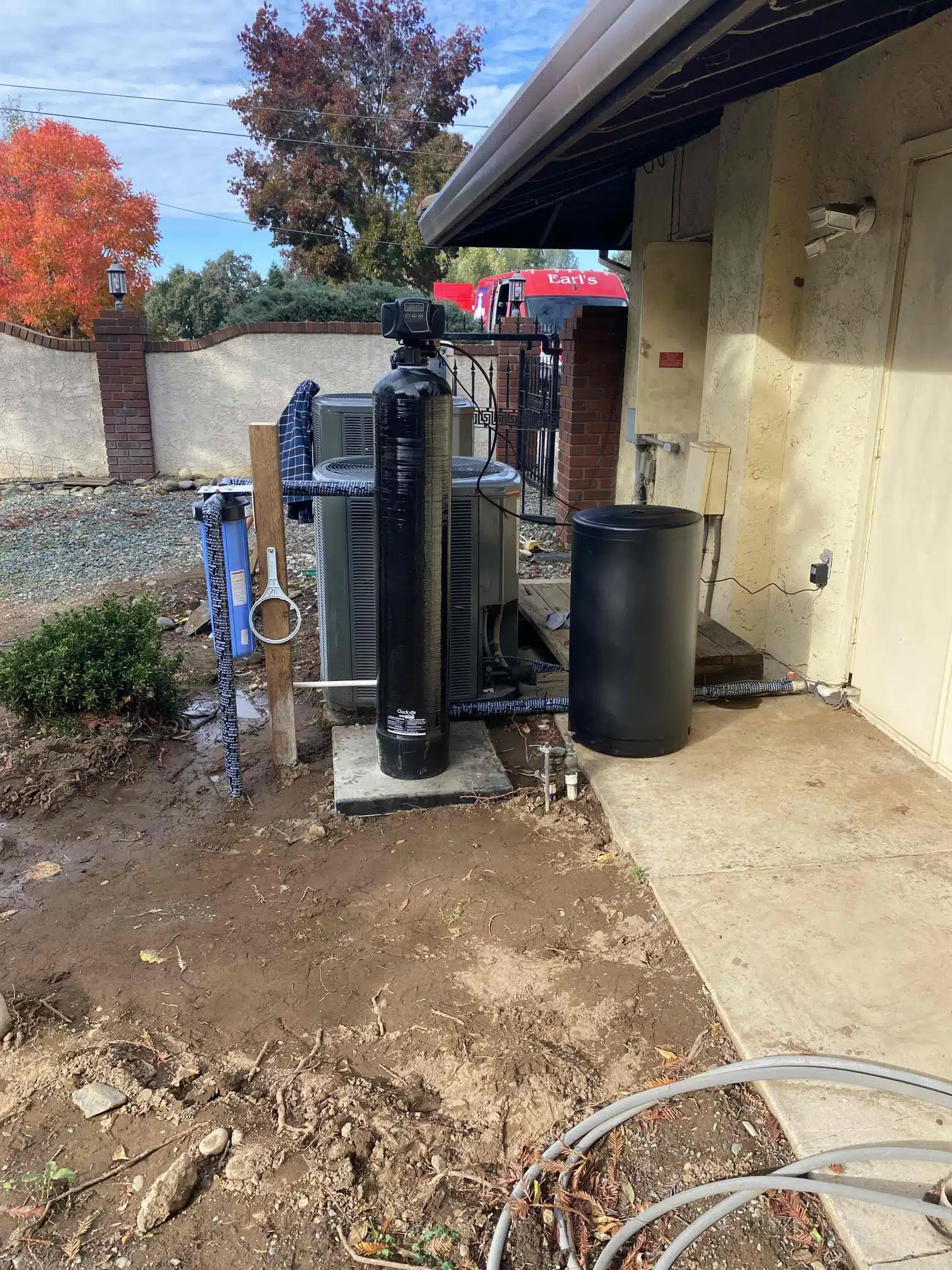
Softening helps reduce calcium and magnesium hardness minerals behind spots, scale, soap issues, and appliance wear.
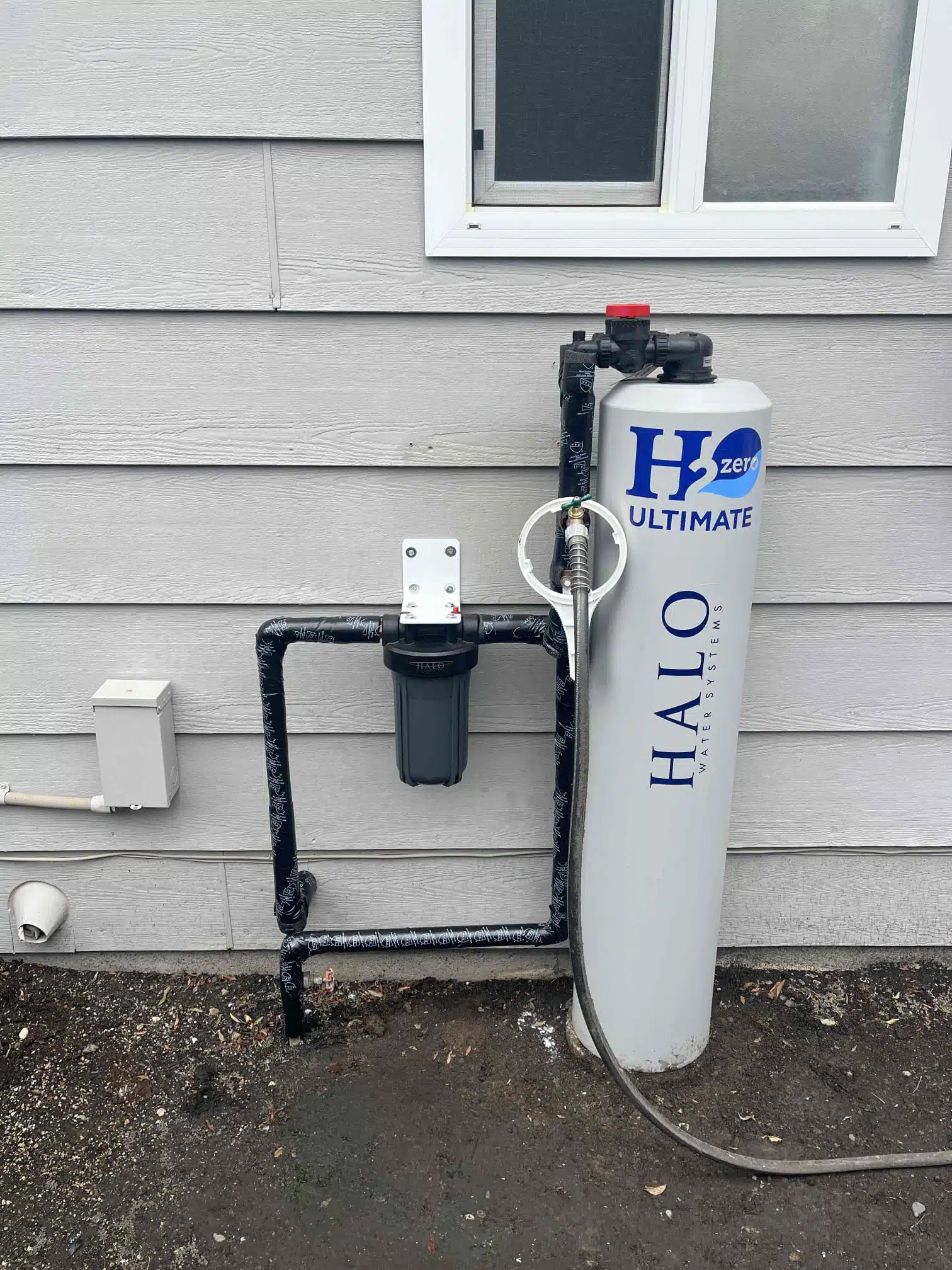
Homes with hardness plus taste, odor, or sediment concerns may benefit from more than one treatment stage.
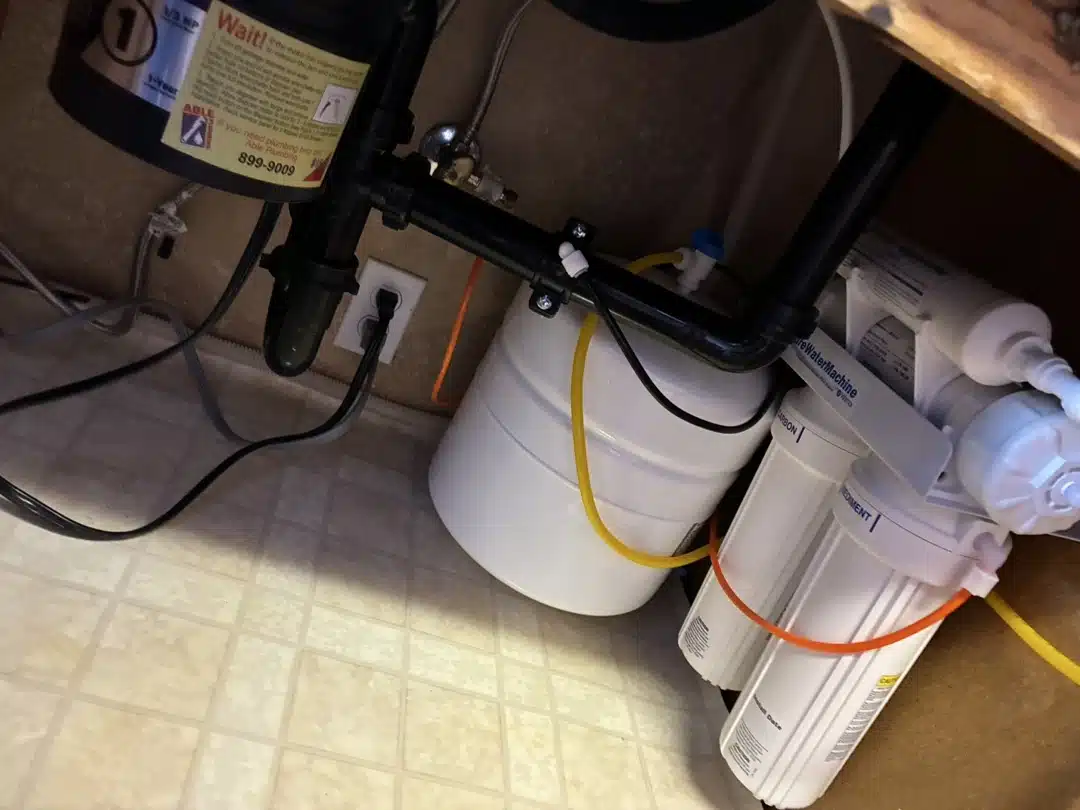
RO is a separate drinking-water solution that can pair well with a whole-home softener.
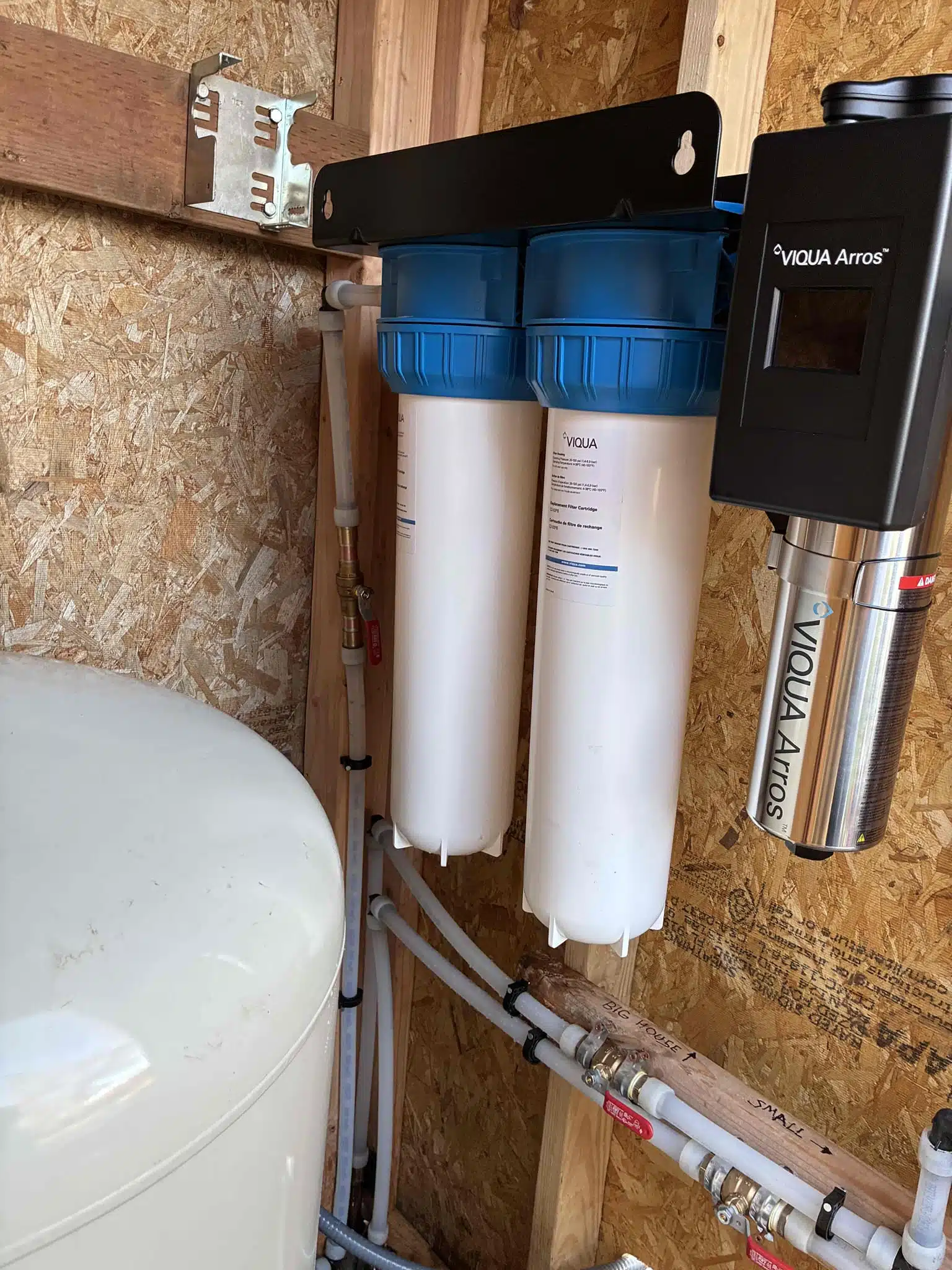
Well-water homes may need sediment, iron, UV, RO, softening, or other treatment depending on test results.
Hard water may be the main issue, or it may be one chapter in the bigger water-quality novel. These pages help homeowners choose the right path.
The main hub for choosing between softeners, RO, sediment filters, UV, and whole-home systems.
Drinking and cooking water from a dedicated faucet under the kitchen sink.
Better-tasting ice, clearer ice, and appliance filtration options.
Smart leak detection and automatic water shutoff devices for added protection.
Water treatment should be based on actual water conditions, not a one-page sales pitch wearing a lab coat.
Earl's Plumbing installs and services water softeners from our Chico, Redding, and Yuba City offices for city-water homes, private-well homes, rural properties, and nearby Northern California communities.
We also help homeowners in nearby Butte, Shasta, Tehama, Glenn, Sutter, Yuba, and Placer County communities with hard water treatment, water softeners, whole-home filtration, RO drinking water, well water testing guidance, and filter maintenance.
No service call fee. If you live in Chico, Redding, Yuba City, or a nearby Northern California community, we can check your hard-water symptoms, water source, and plumbing layout before recommending a system.
Not sure if you need softening, filtration, or RO? Call (530) 343-0330 and we can help you figure out the next step.
Direct answers for homeowners trying to figure out whether they need a softener, filter, reverse osmosis system, well-water testing, or something else entirely.
A water softener reduces hardness minerals, mainly calcium and magnesium, that cause white spots, scale, soap scum, dry-feeling skin, dull hair, and buildup in water heaters, fixtures, and appliances. Most traditional systems use ion exchange to swap hardness minerals for sodium or potassium ions.
You may need a water softener if you see white spots on dishes, crusty buildup on faucets, soap that will not lather well, dry-feeling skin, dull hair, scale in fixtures, or repeated mineral buildup in water heaters and appliances. A hardness test helps confirm whether a softener is the right solution.
Hard water is usually considered an aesthetic and plumbing-performance issue, not automatically a safety issue. The minerals that make water hard can affect taste, soap performance, scale buildup, and appliance life. If you are concerned about bacteria, nitrates, lead, PFAS, arsenic, or other contaminants, you need testing and the right certified treatment system.
Cal Water's 2024 Chico water quality report lists average hardness at 122 ppm. That is high enough for many homeowners to notice water spots, scale, soap issues, and mineral buildup. Hardness can vary by neighborhood, water source, and private well conditions.
No. A water softener is not the same as a contaminant filter. Its main job is to reduce hardness minerals. It should not be sold as the solution for chlorine taste, PFAS, lead, nitrates, arsenic, bacteria, or drinking-water safety concerns. Those concerns need testing and a properly selected filtration or reverse osmosis system certified for the specific issue.
A water softener treats hardness for the whole home, helping reduce scale and soap problems. Reverse osmosis is usually installed under a sink and treats drinking and cooking water through a membrane and filter stages. Many homes use both because they solve different problems.
A water softener reduces hardness minerals. Whole-home filtration may target sediment, chlorine taste and odor, iron, sulfur odor, or other water quality issues depending on the system. Some homes need a softener, some need filtration, and some need both.
Traditional ion-exchange softeners can increase sodium in the treated water when sodium chloride salt is used. The amount depends on the original hardness and system setup. People on sodium-restricted diets should ask their medical provider about drinking softened water and may consider a drinking-water bypass, potassium chloride, or reverse osmosis at the kitchen sink.
Water softeners need salt or potassium, periodic maintenance, correct programming, and a drain for regeneration. Some people dislike the slick feel of softened water. A softener is not a drinking-water filter, may increase sodium if sodium chloride is used, and can be a poor fit if the home really needs filtration or reverse osmosis instead.
Reducing hardness can help limit scale buildup that affects water heaters, tankless water heaters, fixtures, and appliances. It does not replace regular maintenance, flushing, or repairs, but it can be part of a better long-term plumbing plan in hard-water homes.
No. Traditional water softeners remove hardness minerals through ion exchange. Salt-free conditioners usually do not remove calcium and magnesium; they are designed to change how scale behaves. The right choice depends on the water test, plumbing goals, maintenance preferences, and local conditions.
Maintenance depends on the system, water hardness, water use, salt type, and manufacturer instructions. Homeowners should keep salt at the proper level, watch for salt bridging, check settings, and schedule service if water spots, scale, or poor soap performance returns.
Yes. Earl's Plumbing installs water softeners for many homes on private wells, but well water should be tested first. Sediment, iron, sulfur odor, bacteria, nitrates, pH, and total dissolved solids can affect which treatment equipment should come before or after the softener.
Cost depends on the water hardness, system size, plumbing layout, drain access, electrical needs, installation location, and whether additional filtration is needed. Earl's Plumbing provides a free quote with no service call fee before any approved work begins.
Earl's Plumbing can evaluate customer-supplied water softeners and provide a quote when the equipment is appropriate for the home, code requirements, plumbing layout, and water conditions. Warranty coverage may differ when equipment is supplied by the customer.
Earl's Plumbing installs and services water softeners in Chico, Redding, Yuba City, Paradise, Oroville, Anderson, Red Bluff, Marysville, and surrounding Northern California communities.